Why Filtering Your Shower Water Matters More Than You Think
11.01.2026
7 mins

Most of us think carefully about the water we drink. We install kitchen filters, buy purified water, and pay attention to what goes into our bodies. Yet every day, we step into the shower without questioning the water cascading over our skin and hair.
Clean tap water is regulated for safety, but “safe” does not always mean optimal, especially for daily exposure on the skin. Over time, the quality of your shower water can quietly influence how your skin feels, how your hair behaves, and even how effective your beauty routine becomes.
What’s Really Flowing Through Your Shower Head?
Municipal tap water is treated to make it safe for public use. However, “safe” doesn’t always mean ideal for your skin and hair.
Depending on where you live, your shower water may contain:
Chlorine (used to disinfect water)
Hard water minerals like calcium and magnesium
Sediment and rust from aging pipes
Trace environmental contaminants
While these substances help make water drinkable, they can be harsh on the skin when exposure is daily and prolonged.
The Subtle Effects of Chlorine on Skin and Hair
Chlorine is widely used to kill bacteria in public water systems. However, it can also strip away your skin’s natural protective oils.
Over time, this may contribute to:
Dry, tight skin after showering
Increased sensitivity
Flaky or itchy scalp
Hair that feels brittle or straw-like
Faster fading of hair color
Hot showers can intensify the effect, as heat opens pores and increases exposure.
The Impact of Hard Water
Hard water contains high levels of minerals such as calcium and magnesium.
When these minerals interact with soap and shampoo, they can leave behind residue on both your skin and hair.
This buildup may:
Make skin feel dry or coated
Reduce shampoo lather effectiveness
Leave hair looking dull
Contribute to clogged pores
Create visible limescale on fixtures
If you notice white residue on your shower head or faucet, hard water is likely present.
What Does A Shower Filter Do?
A shower filter is designed to reduce unwanted elements in your water before they reach your skin.
Depending on the filtration system, it may help:
Reduce chlorine exposure
Filter out sediment and rust
Decrease mineral impact
Improve overall water feel
Installation is typically simple and requires no major plumbing changes.
Rethinking Your Routine
We invest in serums, conditioners, and treatments in pursuit of healthier skin and hair. Yet water is the first and last step in nearly every beauty routine. It activates cleansers, rinses treatments, and touches the skin daily.
Filtering shower water is not an extreme wellness trend. It is a practical adjustment that aligns with a simple principle: if water quality matters for what we drink, it may also matter for what touches our largest organ.
Sometimes, the smallest changes in routine make the most noticeable difference; not overnight, but gradually, consistently, and quietly.
And in the case of skin health, consistency is everything.
Most of us think carefully about the water we drink. We install kitchen filters, buy purified water, and pay attention to what goes into our bodies. Yet every day, we step into the shower without questioning the water cascading over our skin and hair.
Clean tap water is regulated for safety, but “safe” does not always mean optimal, especially for daily exposure on the skin. Over time, the quality of your shower water can quietly influence how your skin feels, how your hair behaves, and even how effective your beauty routine becomes.
What’s Really Flowing Through Your Shower Head?
Municipal tap water is treated to make it safe for public use. However, “safe” doesn’t always mean ideal for your skin and hair.
Depending on where you live, your shower water may contain:
Chlorine (used to disinfect water)
Hard water minerals like calcium and magnesium
Sediment and rust from aging pipes
Trace environmental contaminants
While these substances help make water drinkable, they can be harsh on the skin when exposure is daily and prolonged.
The Subtle Effects of Chlorine on Skin and Hair
Chlorine is widely used to kill bacteria in public water systems. However, it can also strip away your skin’s natural protective oils.
Over time, this may contribute to:
Dry, tight skin after showering
Increased sensitivity
Flaky or itchy scalp
Hair that feels brittle or straw-like
Faster fading of hair color
Hot showers can intensify the effect, as heat opens pores and increases exposure.
The Impact of Hard Water
Hard water contains high levels of minerals such as calcium and magnesium.
When these minerals interact with soap and shampoo, they can leave behind residue on both your skin and hair.
This buildup may:
Make skin feel dry or coated
Reduce shampoo lather effectiveness
Leave hair looking dull
Contribute to clogged pores
Create visible limescale on fixtures
If you notice white residue on your shower head or faucet, hard water is likely present.
What Does A Shower Filter Do?
A shower filter is designed to reduce unwanted elements in your water before they reach your skin.
Depending on the filtration system, it may help:
Reduce chlorine exposure
Filter out sediment and rust
Decrease mineral impact
Improve overall water feel
Installation is typically simple and requires no major plumbing changes.
Rethinking Your Routine
We invest in serums, conditioners, and treatments in pursuit of healthier skin and hair. Yet water is the first and last step in nearly every beauty routine. It activates cleansers, rinses treatments, and touches the skin daily.
Filtering shower water is not an extreme wellness trend. It is a practical adjustment that aligns with a simple principle: if water quality matters for what we drink, it may also matter for what touches our largest organ.
Sometimes, the smallest changes in routine make the most noticeable difference; not overnight, but gradually, consistently, and quietly.
And in the case of skin health, consistency is everything.
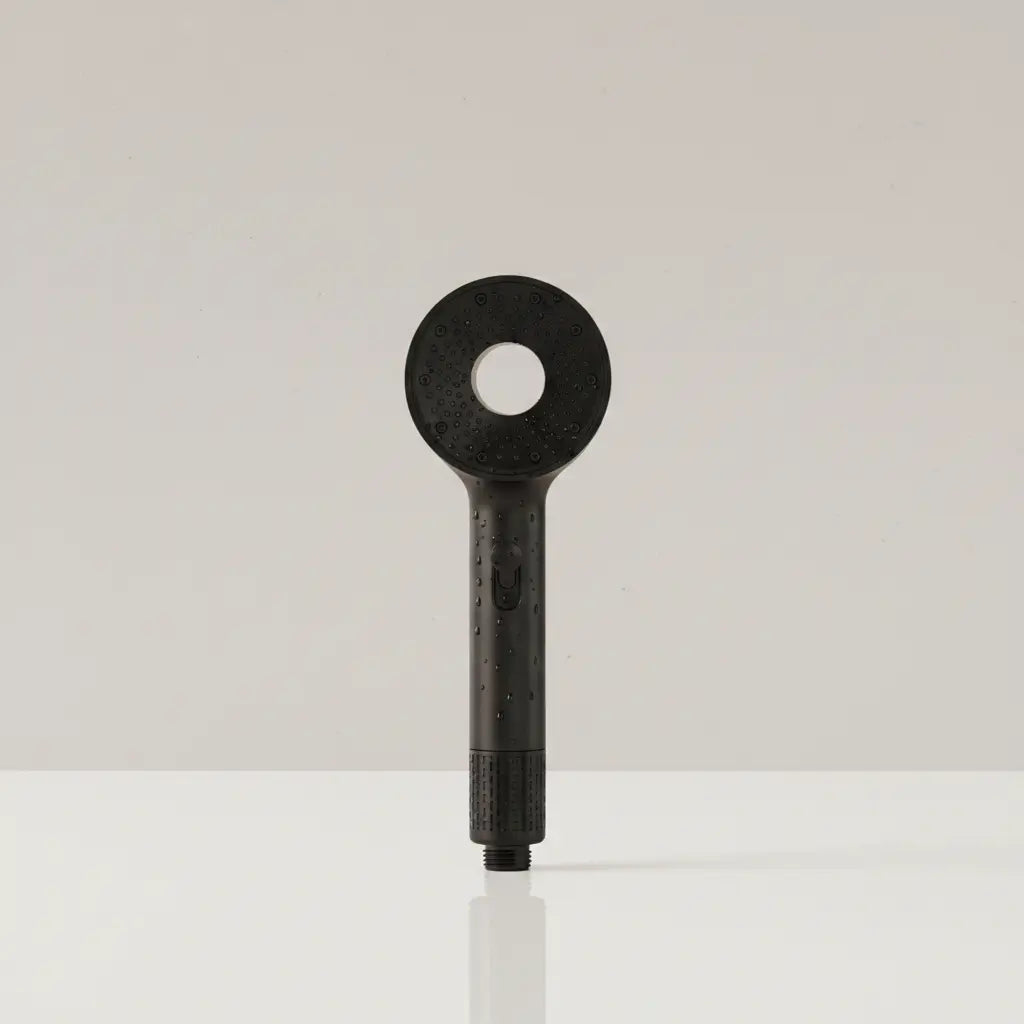
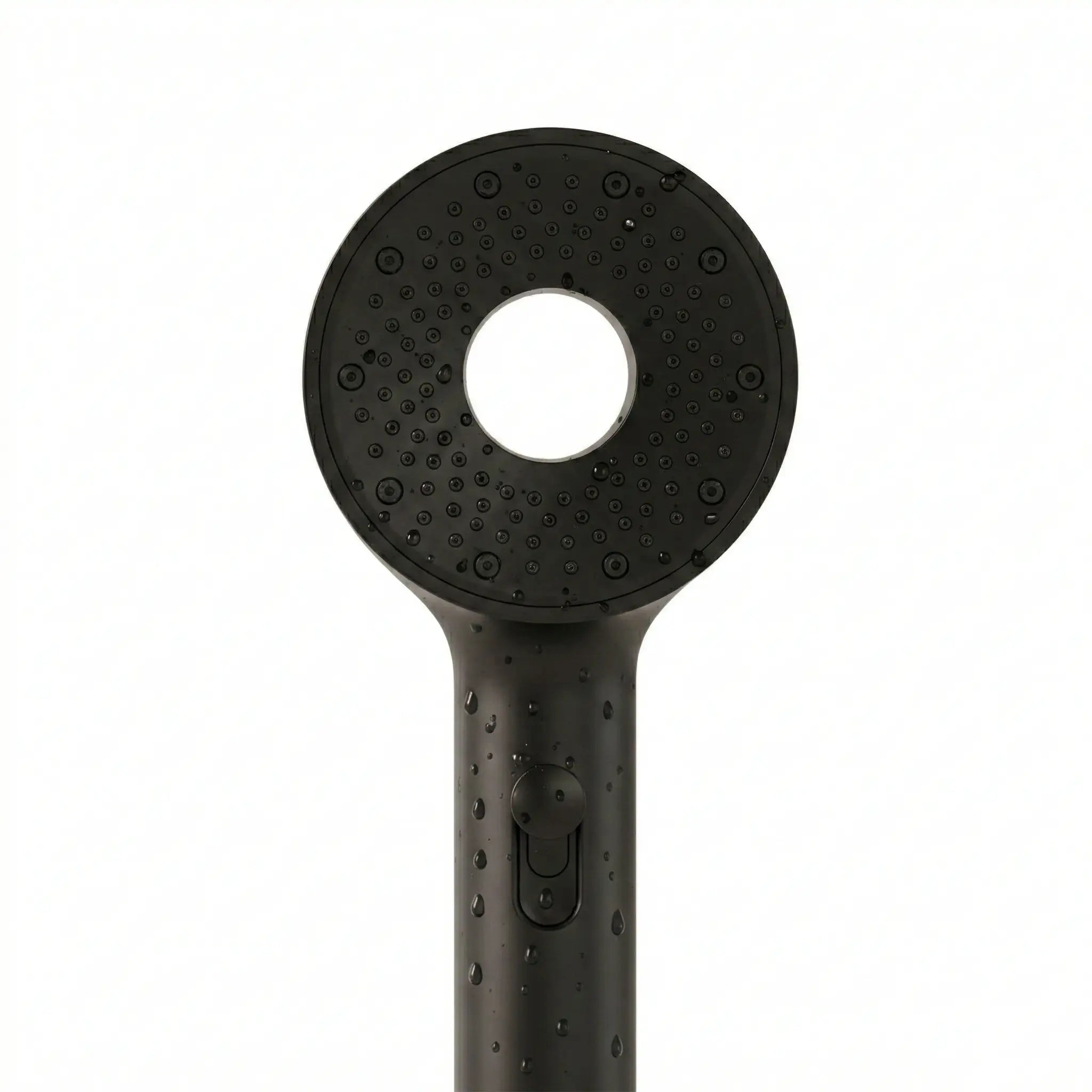
Clarine Halo Shower Head Filter