The Science-Backed Benefits of Sauna Use
01.02.2026
7 mins
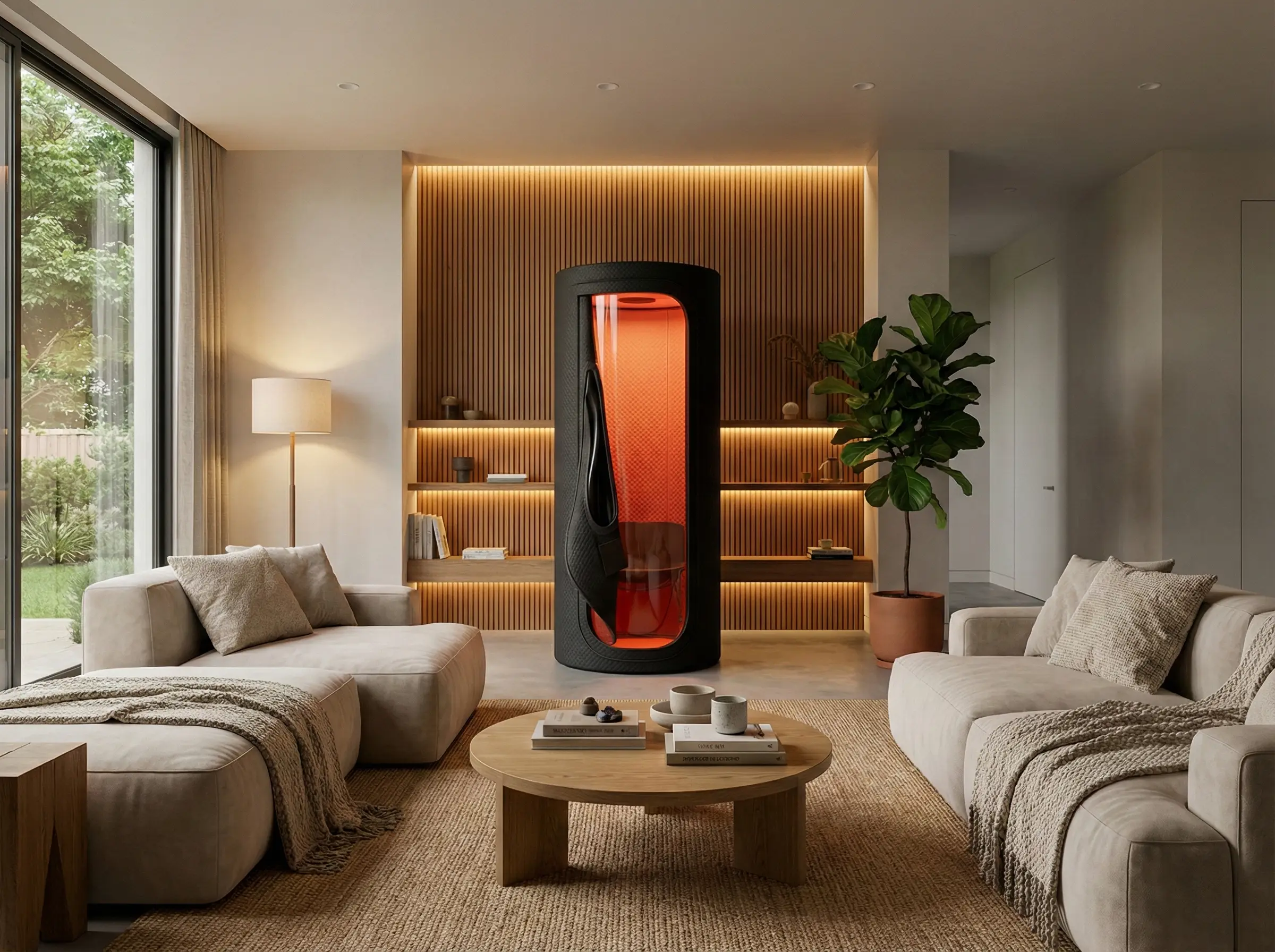
Heat has always been more than comfort.
Across cultures and centuries, people have gathered in warm, enclosed spaces not only to cleanse the body, but to quiet the mind. Long before wellness became an industry, sauna rituals were woven into daily life: a place to restore, reflect, and reset.
Today, in a world defined by constant stimulation, the sauna feels more relevant than ever.
When you step into a heated room, the body begins to respond almost immediately. Core temperature rises slightly. Blood vessels dilate. Circulation increases. The heart works a little harder, similar to light physical activity, even though you are sitting still.
Muscles gradually soften. Shoulders drop. Breathing slows.
Sweating is the most visible response, but it is only part of the experience. As heat envelops the body, tension begins to dissolve. Tight muscles loosen. Stiff joints feel more mobile. The nervous system shifts toward relaxation.
For many, sauna sessions have become a post-workout ritual, supporting muscle recovery and easing temporary soreness. For others, the draw is less physical and more mental. Inside the warmth, distractions fade. Phones remain outside. The pace slows.
Unlike cold exposure, which activates the system, heat soothes it.
This is why saunas are often paired with cold plunges; one challenges, the other restores. Together, they create contrast. Stress and release. Activation and calm. The body learns to transition smoothly between the two.
Emerging research has also explored the potential cardiovascular and circulation benefits associated with consistent sauna use. While it is not a replacement for exercise, regular heat exposure may complement an active lifestyle, supporting overall well-being over time.
But beyond physiology lies something simpler.
A sauna creates space.
Space to sit without urgency.
Space to breathe without distraction.
Space to allow the body to unwind.
In modern life, true stillness is rare. The sauna offers it intentionally. It transforms heat into a form of ritual not through intensity, but through presence.
Because recovery is not only about pushing harder.
Sometimes, it is about warming up, slowing down, and letting the body do what it was designed to do.
And in that warmth, clarity often follows.
Heat has always been more than comfort.
Across cultures and centuries, people have gathered in warm, enclosed spaces not only to cleanse the body, but to quiet the mind. Long before wellness became an industry, sauna rituals were woven into daily life: a place to restore, reflect, and reset.
Today, in a world defined by constant stimulation, the sauna feels more relevant than ever.
When you step into a heated room, the body begins to respond almost immediately. Core temperature rises slightly. Blood vessels dilate. Circulation increases. The heart works a little harder, similar to light physical activity, even though you are sitting still.
Muscles gradually soften. Shoulders drop. Breathing slows.
Sweating is the most visible response, but it is only part of the experience. As heat envelops the body, tension begins to dissolve. Tight muscles loosen. Stiff joints feel more mobile. The nervous system shifts toward relaxation.
For many, sauna sessions have become a post-workout ritual, supporting muscle recovery and easing temporary soreness. For others, the draw is less physical and more mental. Inside the warmth, distractions fade. Phones remain outside. The pace slows.
Unlike cold exposure, which activates the system, heat soothes it.
This is why saunas are often paired with cold plunges; one challenges, the other restores. Together, they create contrast. Stress and release. Activation and calm. The body learns to transition smoothly between the two.
Emerging research has also explored the potential cardiovascular and circulation benefits associated with consistent sauna use. While it is not a replacement for exercise, regular heat exposure may complement an active lifestyle, supporting overall well-being over time.
But beyond physiology lies something simpler.
A sauna creates space.
Space to sit without urgency.
Space to breathe without distraction.
Space to allow the body to unwind.
In modern life, true stillness is rare. The sauna offers it intentionally. It transforms heat into a form of ritual not through intensity, but through presence.
Because recovery is not only about pushing harder.
Sometimes, it is about warming up, slowing down, and letting the body do what it was designed to do.
And in that warmth, clarity often follows.
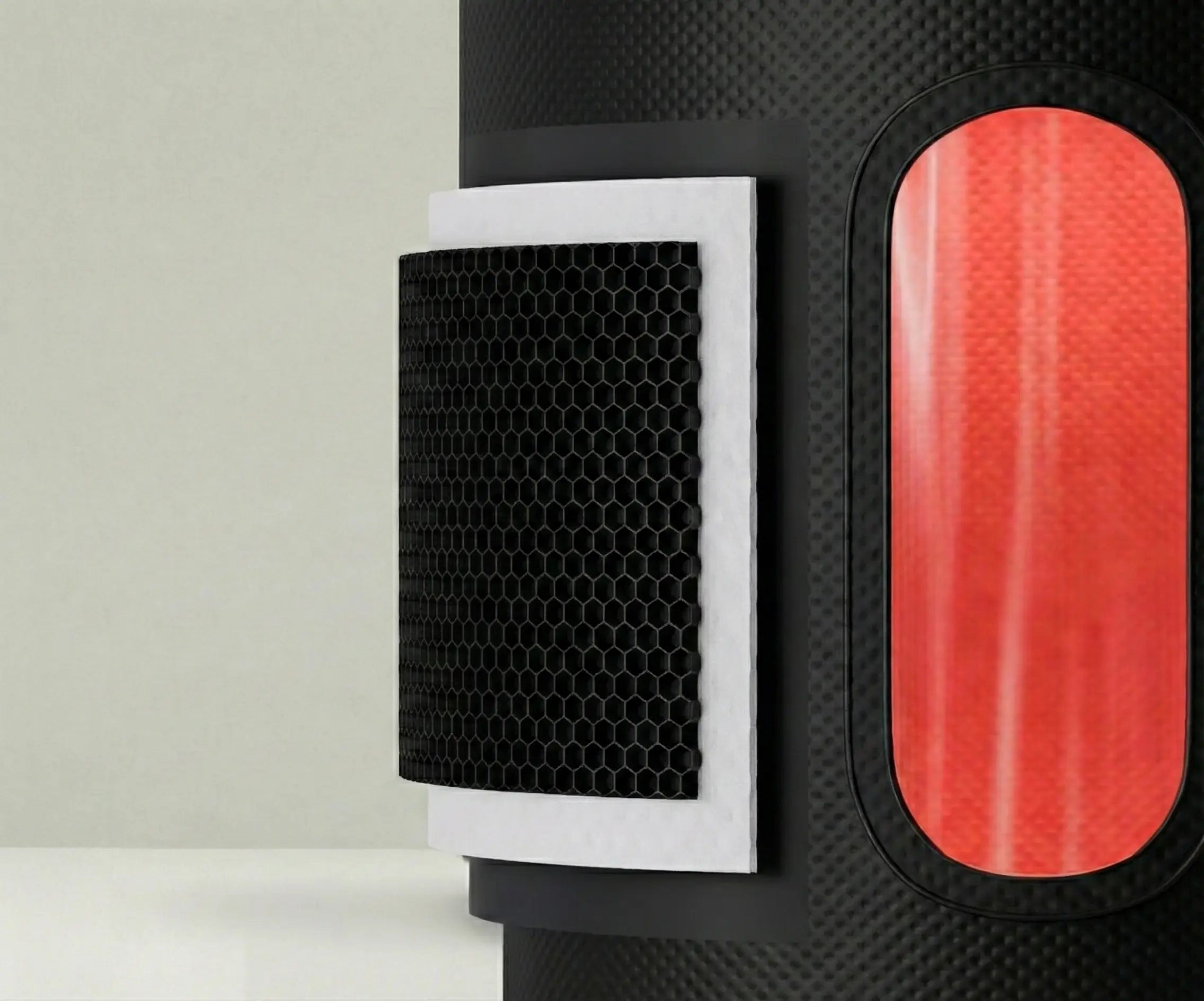
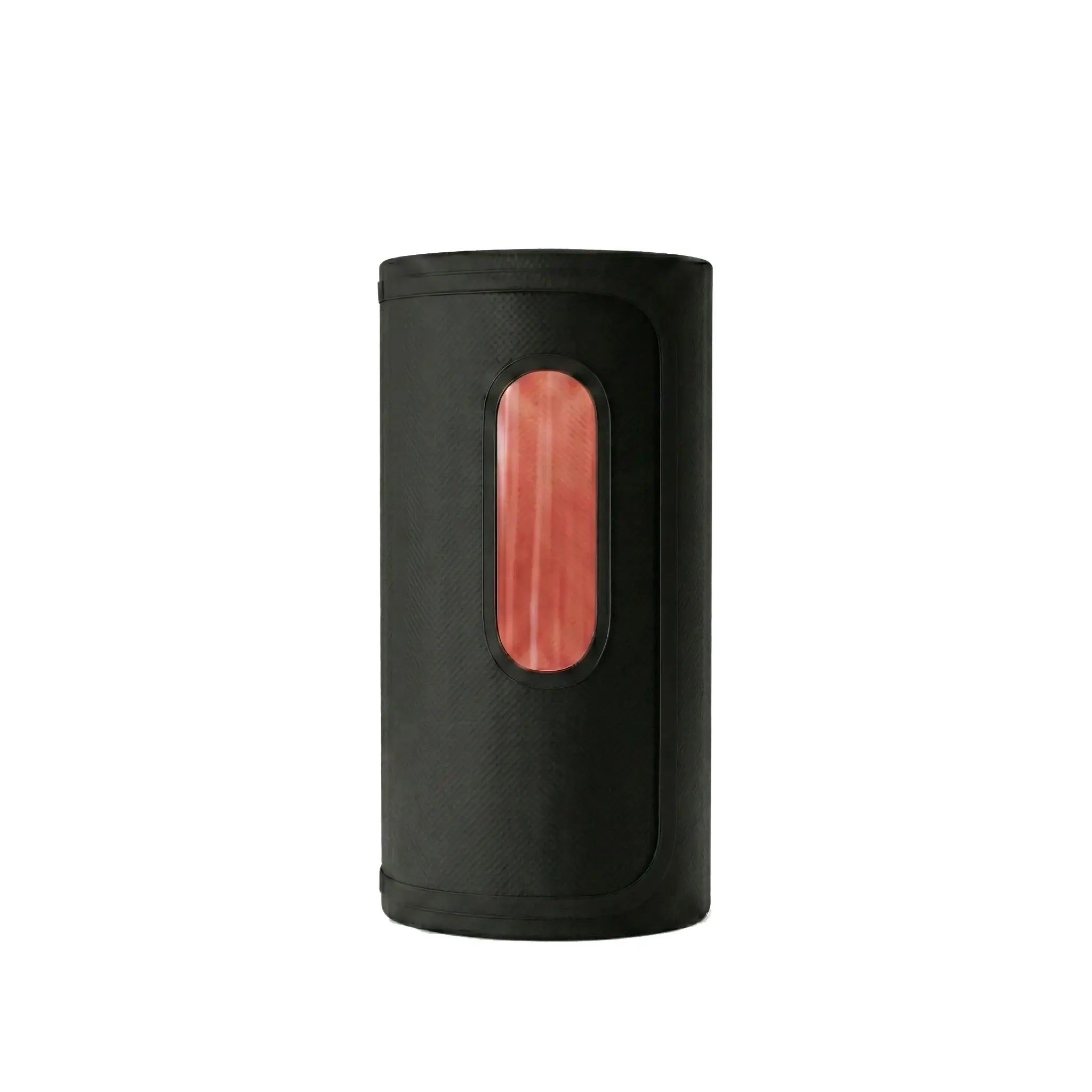
Clarine Portable Dry Sauna with Heater